01 / 05
Pencil before metal
Design
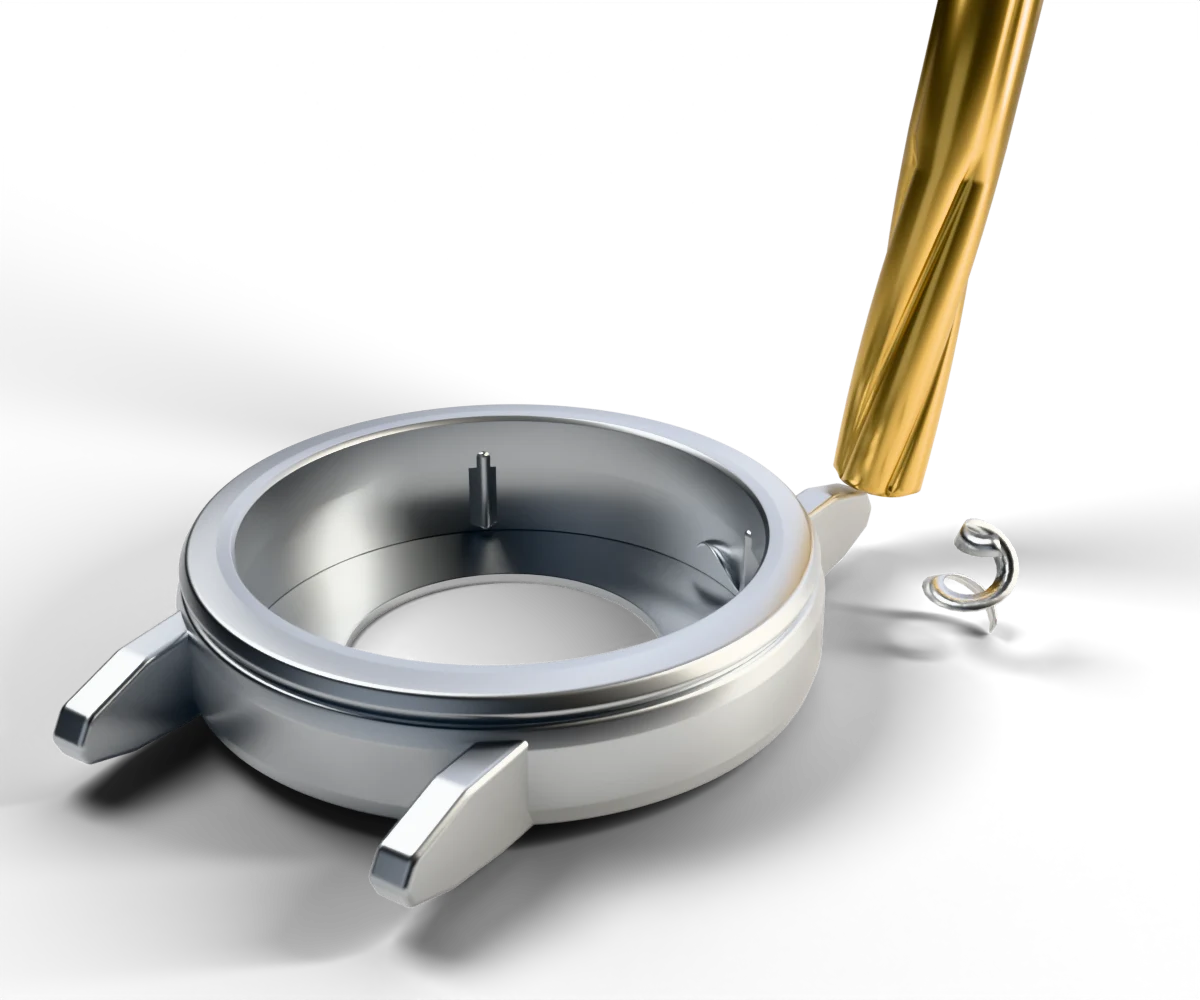
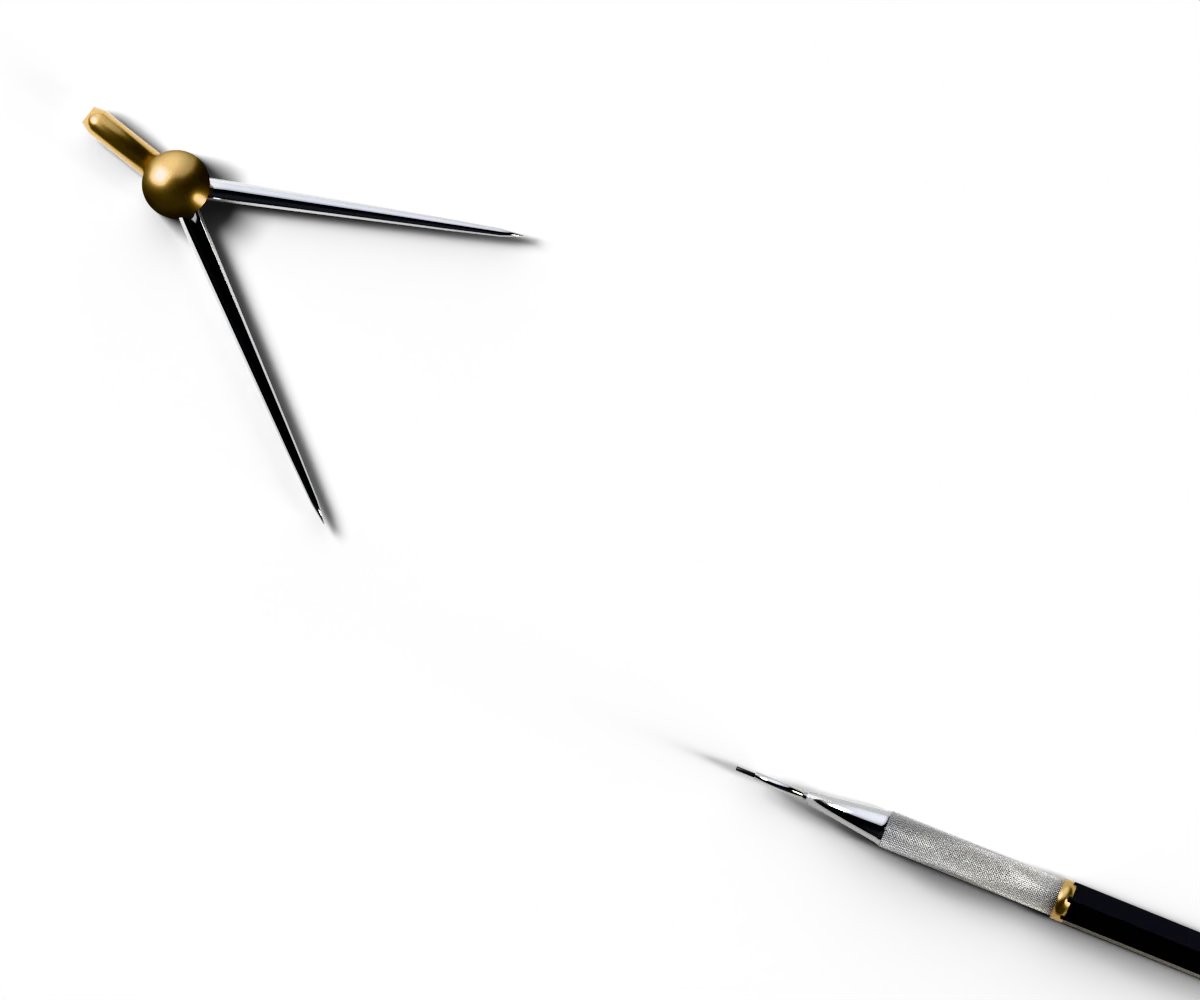
Every case starts as a drawing at 5:1 scale. Lug curves are checked on real wrists before any metal is cut.
0.01 mmdrawing tolerance
A slowly lit KALA Series 03 watch with a teal dial. Its hands show your local time. As you scroll, it turns around to reveal the balance wheel beating behind a sapphire caseback.
Mechanical watches assembled one at a time, by one watchmaker, from 214 parts.
A KALA takes about 160 hours at the bench. Scroll through the five stages every watch passes through.
Pencil before metal
Every case starts as a drawing at 5:1 scale. Lug curves are checked on real wrists before any metal is cut.
Cut from solid bar
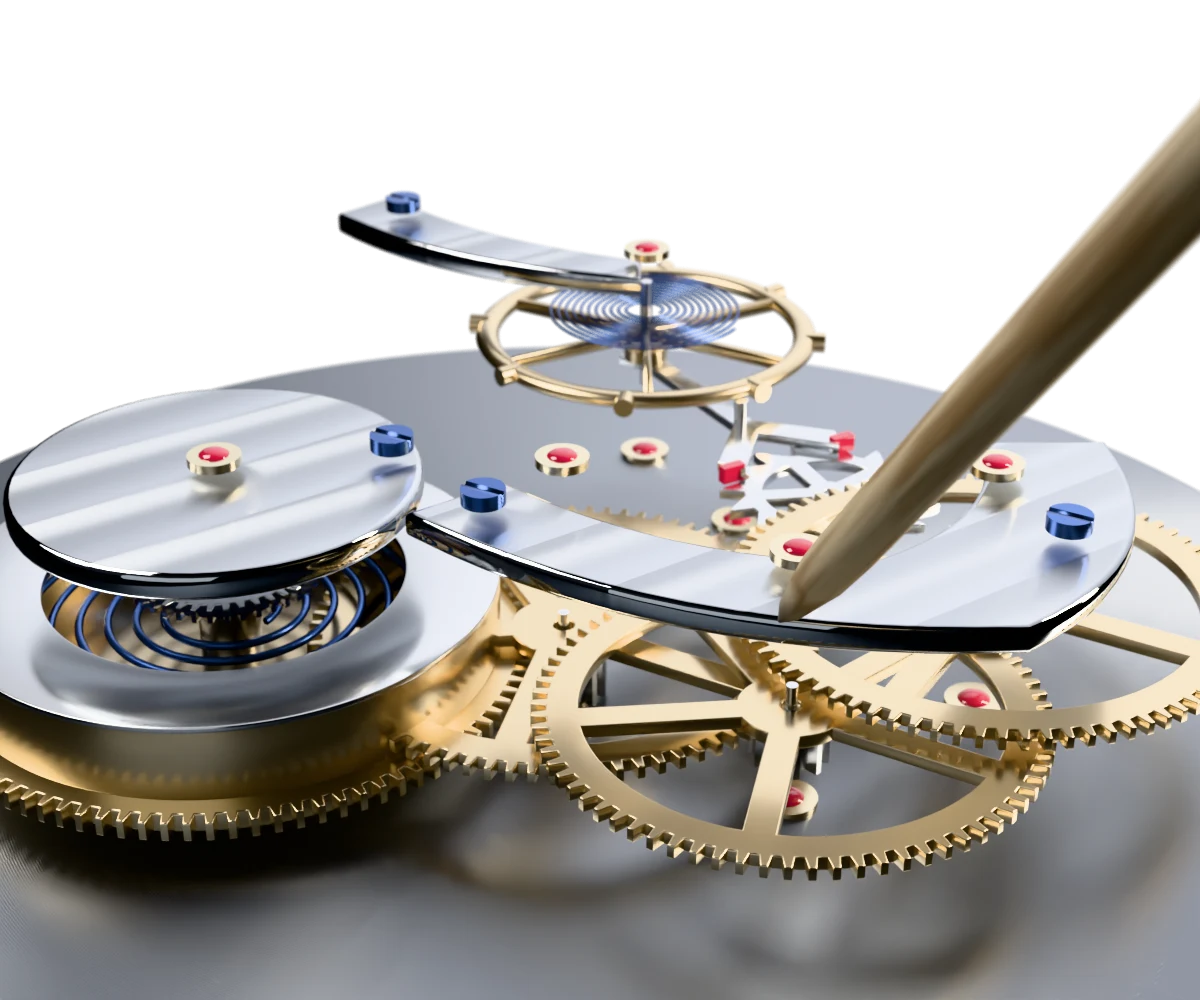
Cases, plates and bridges are milled from solid bar stock. Each gear is cut and then checked under a 20× loupe.
Light is the judge
Bevels are polished by hand with wooden pegs and diamond paste. Côtes de Genève stripes are brushed onto every bridge.
214 parts, one bench
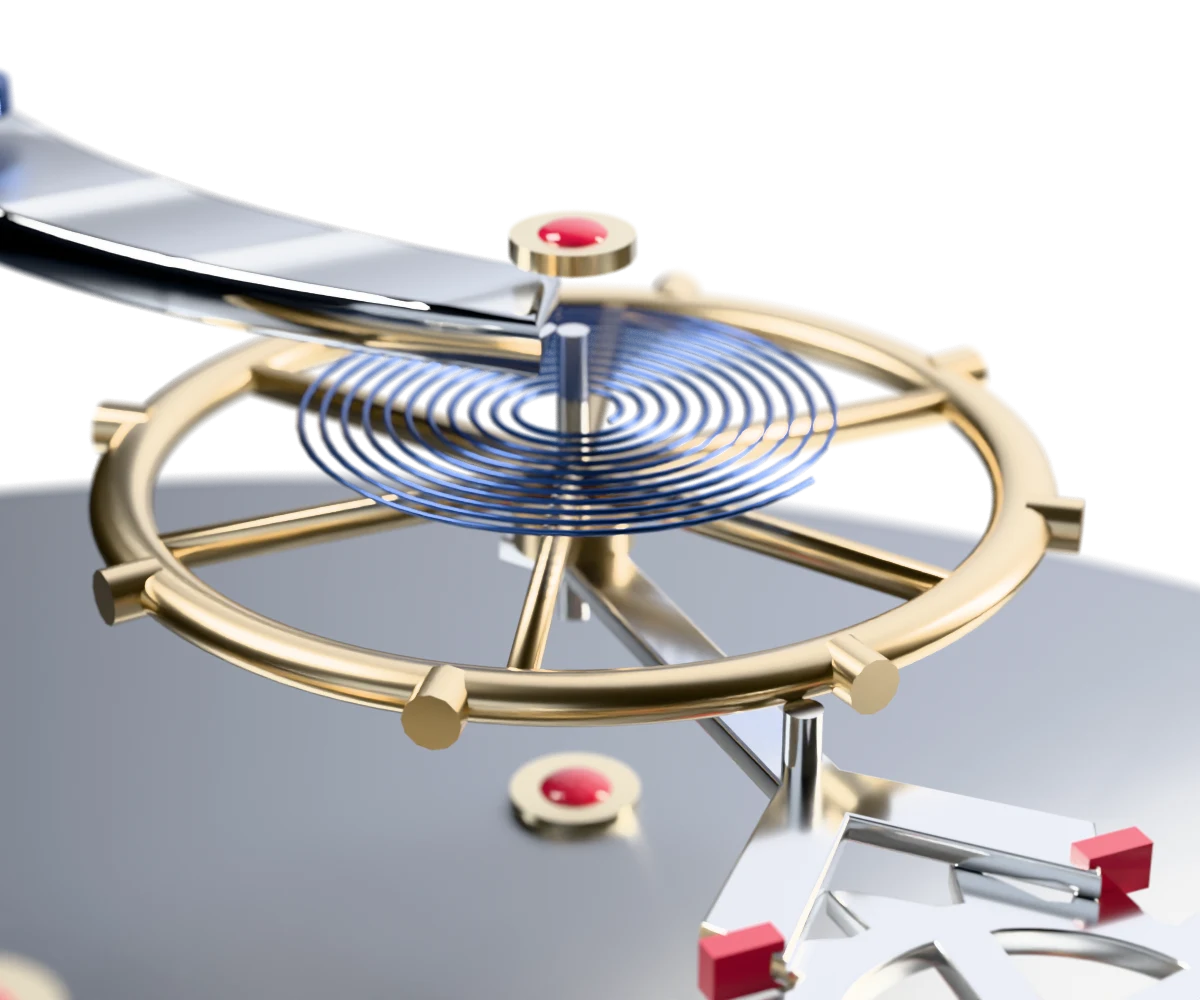
One watchmaker puts all 214 parts together with tweezers and a steady breath. Nothing is handed down a line.
Six positions, eleven days
The finished watch is timed in six positions and three temperatures for eleven days. Only then is it signed.
Every reference shares the same in-house calibre and the same obsession. Filter by character, then open a piece to see it from every side.
Calibre K-03, built from 214 parts and beating 28,800 times an hour. Pull it apart, turn it around and tap a part to see what it does.
Select a part to learn what it does.
A 3D model of the KALA Calibre K-03 movement. The mainspring barrel, gear train, escape wheel, balance wheel and rotor turn at their true relative speeds.
Choose a case, a dial and a strap. The watch is built live as you decide, and your engraving appears on its caseback.
Every watch leaves the bench with its own rate record. These are the numbers from a Series 03 regulation run.
Scroll to stretch a single second across the page. Inside it, the escapement ticks eight times.
One second.
Notes from people who wear their KALA every day. All owners are fictional, like the rest of this brand.
I set it once in March. It is still within four seconds of the station clock.
The caseback is the part I show people. They always go quiet for a second.
Wore it through two monsoon seasons and a reef dive. Not a drop inside.
A handwritten letter arrived with it, signed by the person who built it. That did it for me.
The pushers click like a good camera shutter. I time my espresso with it every morning.
Winding it on Sunday night has become a small ritual. Seventy-two hours feels generous.
The meteorite dial looks different in every light. My daughter calls it the galaxy watch.
Light enough that I forget it is there, until someone asks the time and I get to look.
Serviced after six years. It came back with a note explaining every part they touched.
The teal is not a photo trick. In morning sun it looks like shallow water over sand.
A mechanical watch is meant to outlive its first owner. Here is how we help it do that.
We recommend a full service every five to seven years. The watch is taken apart, cleaned, re-oiled, regulated and tested again for eleven days. Servicing is done at our bench by the watchmaker who assembled it.
Divers are rated to 300 m or 500 m and are made for swimming and diving. Dress models are rated to 30 m or 50 m: rain and hand-washing are fine, swimming is not. Never operate the crown under water, and have the seals checked every two years.
Every KALA has a five-year warranty covering the movement and any manufacturing faults. It stays with the watch, not the owner, so it transfers if the watch is passed on.
Unscrew the crown, then turn it clockwise about 40 times for a full 72-hour reserve. Automatic models also wind themselves while you wear them. You will feel a soft stop on manual models: that is the mainspring saying it is full.
Each KALA is regulated to within ±2 seconds per day across six positions, then certified. A quartz watch is more accurate, but it cannot be repaired a century from now. A KALA can.
Register your interest in the configurator. We confirm availability by letter within two days. Nothing is charged until your piece has passed regulation and is ready to be signed.
Twelve pieces of Series 03 remain. Each one is finished, cased and regulated by the same pair of hands, then delivered with its own rate certificate.